K4 Landworks
Forestry Mulching vs. Traditional Clearing
Home › Blog › Forestry Mulching vs. Traditional Clearing
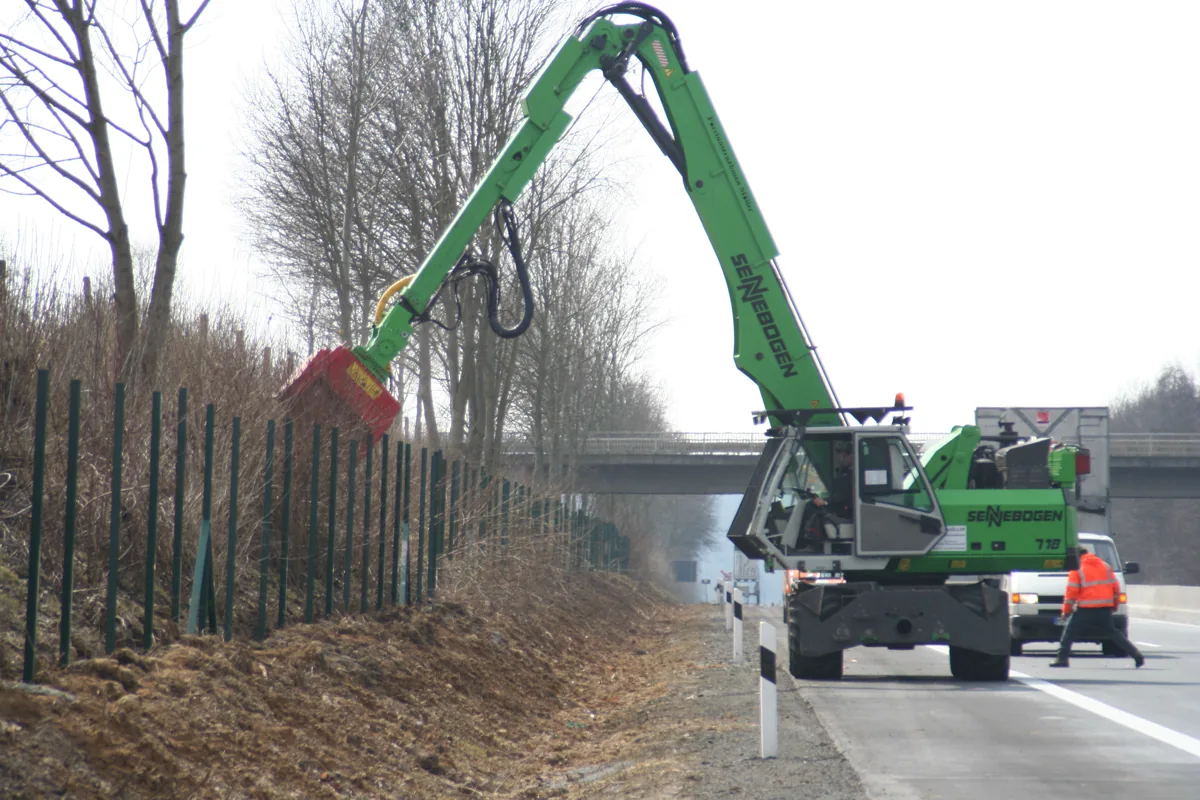
The right clearing method depends on what must be removed, what should remain, and how the property will be used afterward.
Start with the finish, not the machine
Property owners often ask whether forestry mulching is better than traditional clearing. The honest answer is that the methods leave different results. Forestry mulching cuts and processes brush, saplings, and woody growth where the work happens. Other clearing approaches may remove material, roots, or soil in a different way. Before comparing machines, decide what you need the property to be ready for.
If the goal is to open visibility, reclaim overgrown acreage, improve access, create a trail, or expose an area so you can plan the next step, mulching may be a practical fit. If you need full root removal, major soil changes, built drainage, or a construction-ready surface, mulching alone won’t create that finish. We focus on forestry mulching and mulching-based vegetation clearing.
How material is handled
One of forestry mulching’s biggest differences is what happens to the vegetation. The mulching head processes material where it stands or falls, and the chips generally stay in the work area. That can reduce separate steps for piling and hauling brush and keep the work focused inside the area you want reclaimed.
Another approach may be a better fit when material must leave the property or every root must come out. Neither choice is always cleaner, faster, or less expensive. Vegetation size and density, area size, terrain, access, hidden obstacles, the finish you want, and travel all shape the real job. Compare what each quote leaves behind, not only the machine name or a number at the bottom.
What remains after mulching
Forestry mulching changes above-ground vegetation, but it doesn’t remove every root or make the ground smooth. Low stumps, root systems, rocks, ruts, and natural unevenness can remain. The depth and appearance of the processed material also vary with the vegetation and the passes included in the job. A useful quote explains the work area, the expected finish, and any later steps you may need.
That clarity is especially important around a future building area. Mulching can open vegetation and improve access so you or another contractor can see the site. It shouldn’t be confused with a finished building pad, built drainage, or a prepared drive. Keeping those jobs separate helps you hire each provider for the work they’re equipped to do and reduces surprises between phases.
Use the site assessment to choose
Photos are a strong first step. Show the entrance, representative vegetation, slope, nearby structures, and the area you want to use. Then walk the site with the contractor. Mark boundaries, private utilities, septic components, old wire, valued trees, and anything that must remain. Ask what happens to the mulch and how the property should look at handoff.
At K4, we follow a direct process: share the location and photos, talk through the likely fit, walk the property, and review a clear quote. We will look at the access, vegetation, ground, and next use with you. The right choice should come from those real conditions, not a claim that one method wins every comparison.
Also compare your responsibilities before work. Boundaries and private systems need to be identified, and movable items should be cleared from the work area. Ask how hidden metal, downed material, soft ground, and nearby improvements will be handled. Two quotes can sound similar while describing different handoffs, so make sure you understand what stays, what goes, and where work stops.
For us, the useful question is whether mulching moves the property toward the way you want to use it. Our Kubota tracked loader and FAE mulcher are built for that work, while the property walk tells us whether the conditions fit. You’ll get a better plan when you’re clear about the goal, realistic about what remains, and ready to coordinate another phase if the land needs more than vegetation processing.
READY TO RECLAIM YOUR PROPERTY?
Send us your property location, a few photos, and what you want accomplished. We’ll review the project and talk through the next step with you.
REQUEST YOUR FREE ESTIMATE