K4 Landworks
Reclaiming Access on a Hunting Property
Home › Blog › Reclaiming Access on a Hunting Property
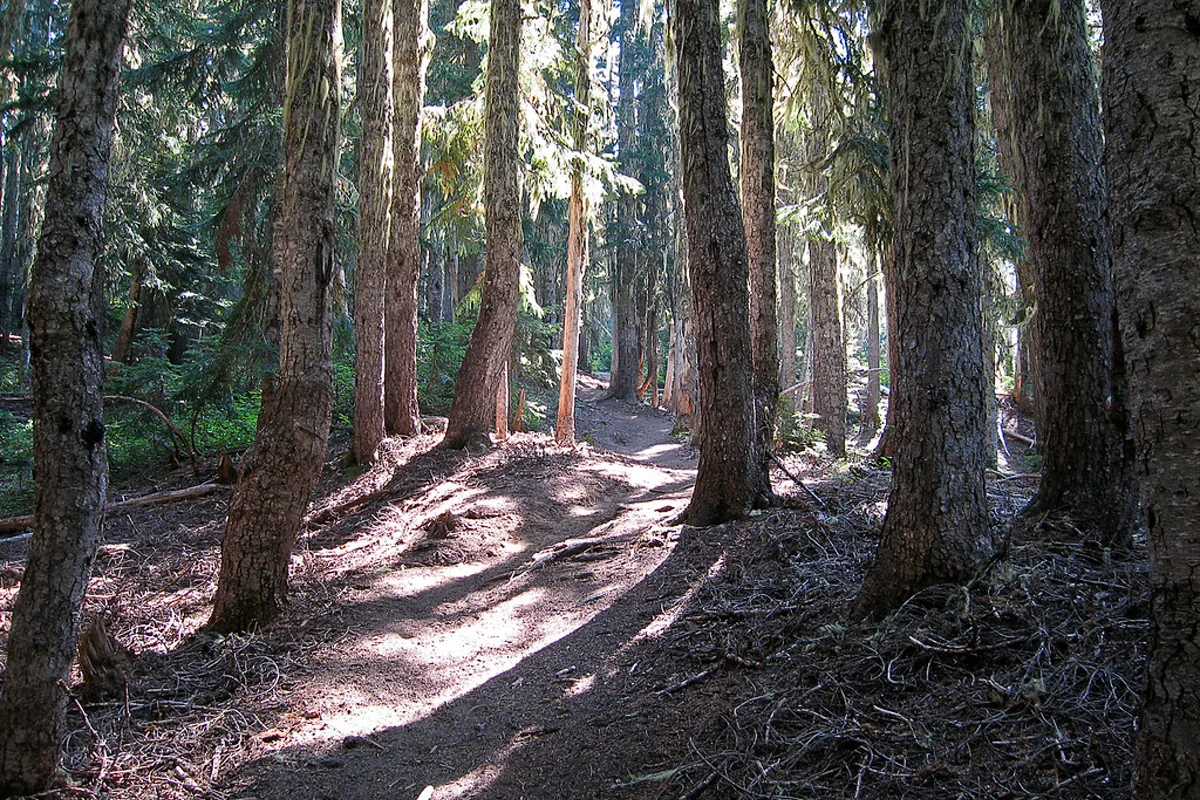
Dependable access supports hunting, observation, maintenance, and the larger plan for a wooded property.
Access is part of the management plan
A hunting property can hold useful cover and still be difficult to use when routes grow shut. Brush at the entrance, saplings across an old lane, or a narrow trail can limit quiet entry, equipment movement, and routine checks. Reclaiming access starts by deciding who and what needs to move through the land. A walking path, ATV or UTV route, and equipment lane each need a different width, turn, and surface expectation.
Our approach reflects owner Kendall’s active interest in hunting and deer management across Northern Indiana and Southern Michigan. We understand why the route and the cover around it need to be considered together. We’ll walk the intended line, identify the destination, and talk through which trees, screening areas, or other features you want to protect.
Map entry, destination, and constraints
Begin with the property entrance. Can the equipment reach the work area? Are gates, overhead limbs, soft ground, slopes, bridges, or narrow turns involved? From there, mark the route toward stands, food-plot areas, campsite locations, shooting lanes, boundaries, or maintenance destinations. The owner should identify property lines and neighboring land before any route is finalized.
Private utilities, septic components, old wire, posts, drainage features, and hidden debris also matter. A route that looks open in winter may reveal different constraints under summer growth. Photos help us pre-qualify the request, but the on-site assessment is where the line and work limits become real.
Choose width and finish for actual use
More clearing is not always better. A walking route may need only enough width for safe passage and visibility. An ATV or UTV route needs turning room and clearance. A path intended for property-maintenance equipment requires an honest review of slopes, ground conditions, and destination. In some areas, the owner may want screening cover left close to the route. In others, a wider opening may support access or a shooting lane.
Forestry mulching processes brush and woody growth along the agreed line. Mulched material generally stays on the ground, and roots or low stumps may remain. The service is not automatically a surfaced road, engineered crossing, drainage system, or final grade. Knowing that finish in advance helps the owner decide whether later stone, excavation, or other improvements belong in the plan.
Keep the process direct
Send the location and photos of the entrance, old route, representative vegetation, and destination. Explain whether the priority is walking, hunting access, ATV or UTV use, equipment movement, a shooting lane, or food-plot access. We will review the likely fit and schedule a property walk when it makes sense.
At the property, we’ll look at density, route length, terrain, access, the finish you want, and travel. Those conditions shape the quote. Because we’re owner-operated, you’ll communicate directly with Kendall about the route and keep-list. The goal is useful access that supports how you manage the property, not one clearing pattern copied from another parcel.
Think about maintenance while the route is being planned. Opening a path doesn’t mean vegetation will never return. Sunlight, soil, plant species, traffic, and route width all influence regrowth. You can inspect the route over time, address small problems before they close access again, and decide whether mowing or another method fits areas that are no longer woody.
The best hunting-property route is one you’ll actually use and can identify on the ground. Walk it before approving the quote. Look from both travel directions, consider how vehicles turn, and confirm that the line stays inside known boundaries. Comparing alternate routes can prevent unnecessary clearing and preserve cover you value. That’s what putting the property first looks like: the machine serves your plan, not the other way around.
READY TO RECLAIM YOUR PROPERTY?
Send us your property location, a few photos, and what you want accomplished. We’ll review the project and talk through the next step with you.
REQUEST YOUR FREE ESTIMATE